Maximizing Nutrition and Exercise Without Grains for Optimal Health
- Tegan Quigley
- Feb 3
- 2 min read
Cutting grains from your diet can feel challenging, especially when you want to maintain strong nutrition and stay active. Grains often serve as a staple source of energy and nutrients, so removing them requires thoughtful adjustments. This post explores practical ways to maximize your nutrition and exercise performance while living grain-free, helping you stay healthy and energized.
Replacing Grains with Nutrient-Dense Alternatives
To maintain balanced nutrition without grains, focus on whole foods rich in carbohydrates, fiber, and micronutrients:
Vegetables: Sweet potatoes, carrots, beets, and winter squash provide complex carbs and fiber.
Fruits: Bananas, berries, apples, and oranges offer natural sugars, antioxidants, and vitamins.
Legumes: Lentils, chickpeas, and black beans supply carbs, protein, and fiber.
Nuts and Seeds: Almonds, chia seeds, and flaxseeds add healthy fats, fiber, and minerals.
Tubers and Root Vegetables: Cassava, taro, and parsnips are excellent carb sources.
Pseudograins: Quinoa, amaranth, and buckwheat are grain-like but gluten-free and nutrient-rich.
Including a variety of these foods ensures you get enough energy and nutrients to support your workouts and overall health.
Adjusting Your Exercise Routine for Grain-Free Energy
Without grains, your body may need time to adapt to new fuel sources. Here are tips to keep your exercise effective:
Focus on Balanced Meals: Combine protein, fats, and carb-rich vegetables or fruits before workouts to sustain energy.
Hydrate Well: Proper hydration supports digestion and energy metabolism.
Time Your Meals: Eat a small snack 30-60 minutes before exercise, such as a banana with almond butter.
Listen to Your Body: If you feel low energy during workouts, increase carb intake from fruits or tubers.
Include Strength Training: Building muscle helps improve metabolism and supports energy use.
Incorporate Rest Days: Recovery is key when changing diets and exercise habits.
Sample Grain-Free Meal Plan for Active Days
Here is a simple day of eating that supports exercise without grains:
Breakfast: Scrambled eggs with spinach, avocado, and roasted sweet potatoes
Snack: Greek yogurt with chia seeds and fresh berries
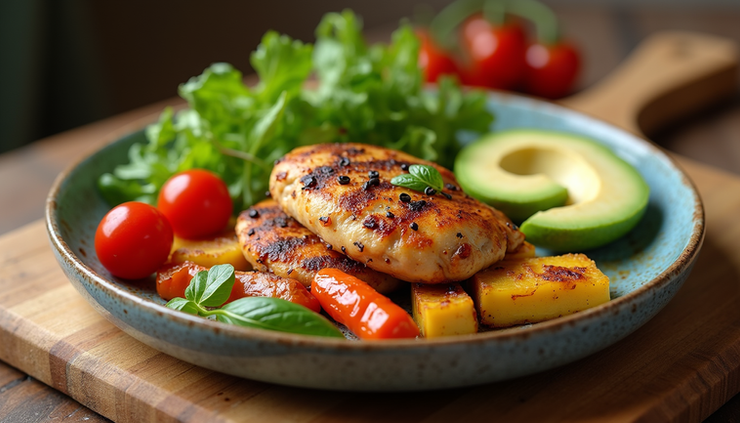
Lunch: Grilled chicken salad with mixed greens, cherry tomatoes, cucumbers, and olive oil dressing
Snack: Apple slices with almond butter
Dinner: Baked salmon with steamed broccoli and mashed cauliflower
Post-Workout: Smoothie with banana, protein powder, and coconut water
This plan balances protein, healthy fats, and carb sources from fruits and vegetables to fuel workouts and recovery.
Monitoring Your Progress and Adjusting as Needed
Track how you feel during workouts and throughout the day. Signs you may need to adjust include:
Fatigue or low energy
Difficulty recovering after exercise
Digestive discomfort
Cravings for high-carb foods
If these occur, try increasing carb-rich vegetables or fruits, or add a small portion of legumes. Consulting a nutritionist can also help tailor your diet to your specific needs.



Comments