Designing Effective Customized Nutrition Plans
- Tegan Quigley
- Aug 1, 2025
- 4 min read
Creating a nutrition plan that fits individual needs is essential for achieving health and wellness goals. Tailored meal plans consider personal preferences, lifestyle, and nutritional requirements to promote better health outcomes. This article explores how to design effective tailored meal plans, practical strategies for customization, and key nutritional principles to keep in mind.
Understanding the Importance of Tailored Meal Plans
Tailored meal plans are designed to meet the unique dietary needs of an individual. Unlike generic diets, these plans take into account factors such as age, activity level, medical conditions, and food preferences. This personalized approach helps improve adherence and effectiveness.
For example, an athlete may require higher protein intake to support muscle recovery, while someone with diabetes needs to monitor carbohydrate consumption carefully. Tailored meal plans allow for flexibility and adjustments based on progress and changing needs.
Key benefits of tailored meal plans include:
Improved nutrient balance
Enhanced energy levels
Better weight management
Reduced risk of chronic diseases
Increased satisfaction and sustainability

Steps to Create Tailored Meal Plans
Designing a tailored meal plan involves several important steps. Following a structured process ensures the plan is both effective and sustainable.
1. Assess Individual Needs
Start by gathering detailed information about the person’s health status, lifestyle, and goals. This includes:
Medical history and current health conditions
Daily activity and exercise routines
Food allergies or intolerances
Dietary preferences and cultural considerations
Weight goals (loss, maintenance, gain)
2. Calculate Nutritional Requirements
Based on the assessment, calculate daily calorie needs and macronutrient distribution. Tools like the Harris-Benedict equation or Mifflin-St Jeor formula can estimate basal metabolic rate (BMR). Adjust calories according to activity level and goals.
3. Plan Balanced Meals
Create meals that provide a balance of carbohydrates, proteins, and fats. Include a variety of whole foods such as:
Vegetables and fruits
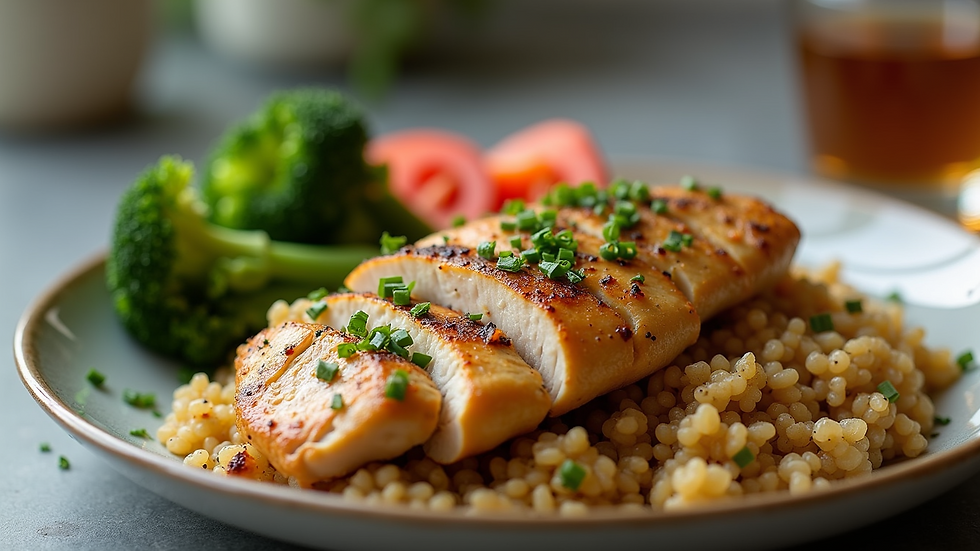
Lean proteins (chicken, fish, legumes)
Healthy fats (avocado, nuts, olive oil)
4. Incorporate Flexibility
Allow room for occasional treats or dining out to improve adherence. Flexibility helps prevent feelings of restriction and supports long-term success.
5. Monitor and Adjust
Regularly review progress and make adjustments as needed. This may involve tweaking portion sizes, food choices, or meal timing.
By following these steps, you can create a tailored meal plan that supports individual health goals effectively.
What is the 40-40-20 Rule Diet?
The 40-40-20 rule diet is a simple macronutrient distribution guideline used in many tailored meal plans. It suggests that daily calories come from:
40% carbohydrates
40% protein
20% fat
This ratio aims to balance energy sources for optimal body composition and metabolic health. The higher protein content supports muscle maintenance and satiety, while carbohydrates provide energy for daily activities. Healthy fats are included to support hormone function and nutrient absorption.
How to Apply the 40-40-20 Rule
Calculate total daily calorie needs.
Multiply calories by each percentage to find grams of each macronutrient.
Plan meals around these targets using whole food sources.
For example, if your daily calorie goal is 2000 calories:
Carbohydrates: 40% of 2000 = 800 calories / 4 = 200 grams
Protein: 40% of 2000 = 800 calories / 4 = 200 grams
Fat: 20% of 2000 = 400 calories / 9 = 44 grams
This approach can be adjusted based on individual preferences and goals.
Practical Tips for Successful Tailored Meal Plans
Creating a tailored meal plan is only the first step. Success depends on practical implementation and consistency. Here are some actionable recommendations:
Meal Prep: Prepare meals in advance to save time and avoid unhealthy choices.
Portion Control: Use measuring cups or a food scale to ensure accurate portions.
Hydration: Drink plenty of water throughout the day to support metabolism.
Mindful Eating: Pay attention to hunger and fullness cues to prevent overeating.
Variety: Rotate foods regularly to prevent boredom and ensure nutrient diversity.
Track Progress: Keep a food journal or use apps to monitor intake and adjust as needed.
By incorporating these habits, individuals can maintain their tailored meal plans more effectively.
How Customized Nutrition Plans Enhance Wellness
Using customized nutrition plans can significantly improve health outcomes. These plans are designed with precision to address specific needs, making them more effective than one-size-fits-all diets.
For instance, someone with iron deficiency can have a plan rich in iron-containing foods like spinach and lean red meat. Another person aiming for weight loss might focus on calorie deficit and increased protein intake to preserve muscle mass.
The personalized nature of these plans encourages adherence and long-term lifestyle changes, leading to sustained wellness.

Final Thoughts on Tailored Meal Plans
Designing effective tailored meal plans requires a thoughtful approach that considers individual needs and preferences. By assessing personal factors, calculating nutritional requirements, and applying practical strategies, anyone can create a plan that supports their health goals.
Remember, flexibility and regular monitoring are key to maintaining success. Whether following the 40-40-20 rule or another macronutrient distribution, the focus should always be on balance, variety, and sustainability.
Investing time in creating a personalized nutrition plan can lead to improved energy, better health, and a more enjoyable relationship with food. Start today by exploring options and making small, consistent changes toward your ideal tailored meal plan.



Comments